From chaos monkeys to llamas, the tech world has always turned to the animal kingdom
for its most iconic ideas. We built a whole zoo.
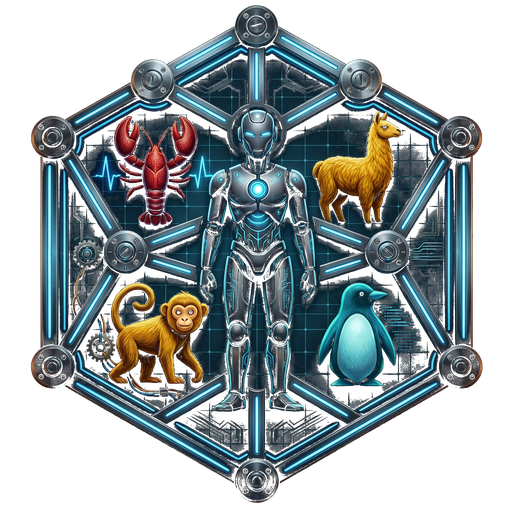
The technology landscape is an ecosystem. Linux runs on a penguin. Meta built the llama that powers modern AI. Netflix unleashed monkeys to break the internet — on purpose. And somewhere in China, millions of people are "raising lobsters" to deploy autonomous AI agents.
Each creature represents something real: a philosophy, a breakthrough, a lesson about how intelligent systems should work. We didn't name our company DigitalZoo as a gimmick. We named it because managing modern security and governance really is like running a zoo — diverse, unpredictable, and requiring constant intelligence.
The animals that shaped the technology we build on every day.
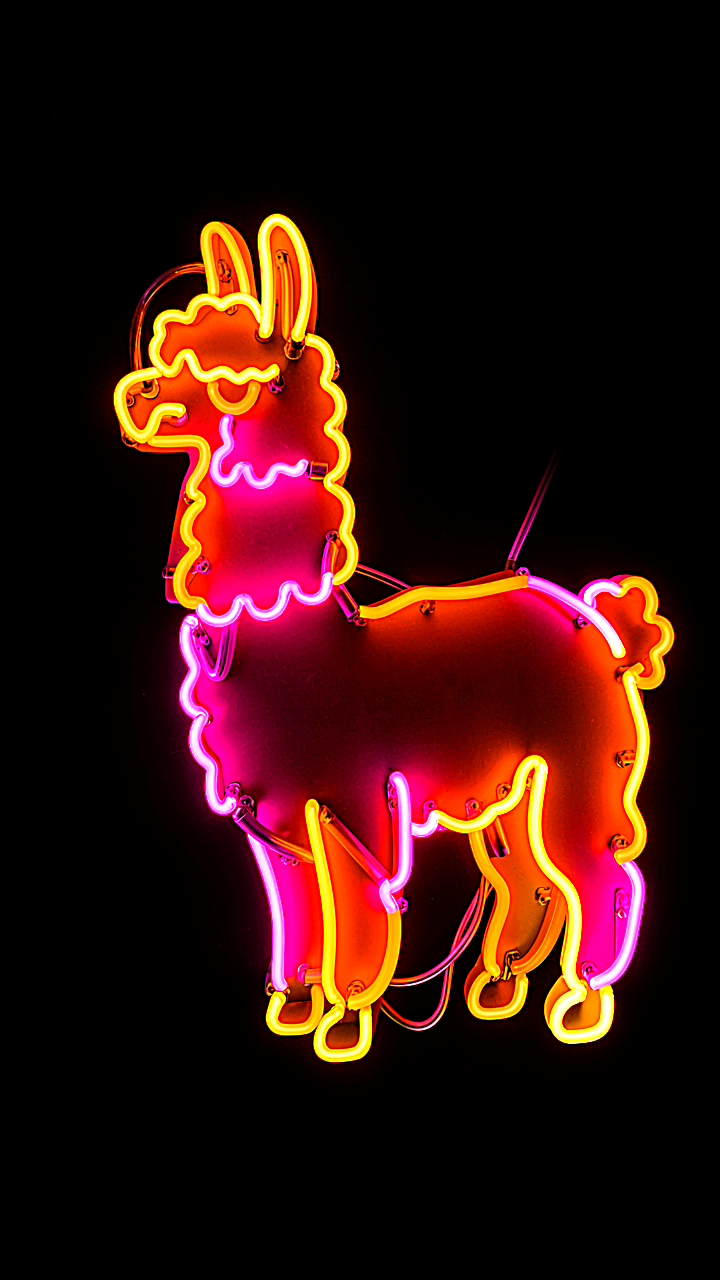
Meta LLaMA • Large Language Models
In February 2023, Meta released LLaMA — Large Language Model Meta AI — and the name stuck so hard it drove demand for actual llamas. The clever acronym transformed how the world thinks about AI: approachable, open, and powerful enough to democratise intelligence.
LLaMA didn't just open-source a model. It opened the door for companies like us to build AI-powered security tools that rival enterprise incumbents — at a fraction of the cost. Every AI skill in Corvus, every compliance chatbot in GRCxAI, stands on the shoulders of the open-source LLM revolution the llama started.
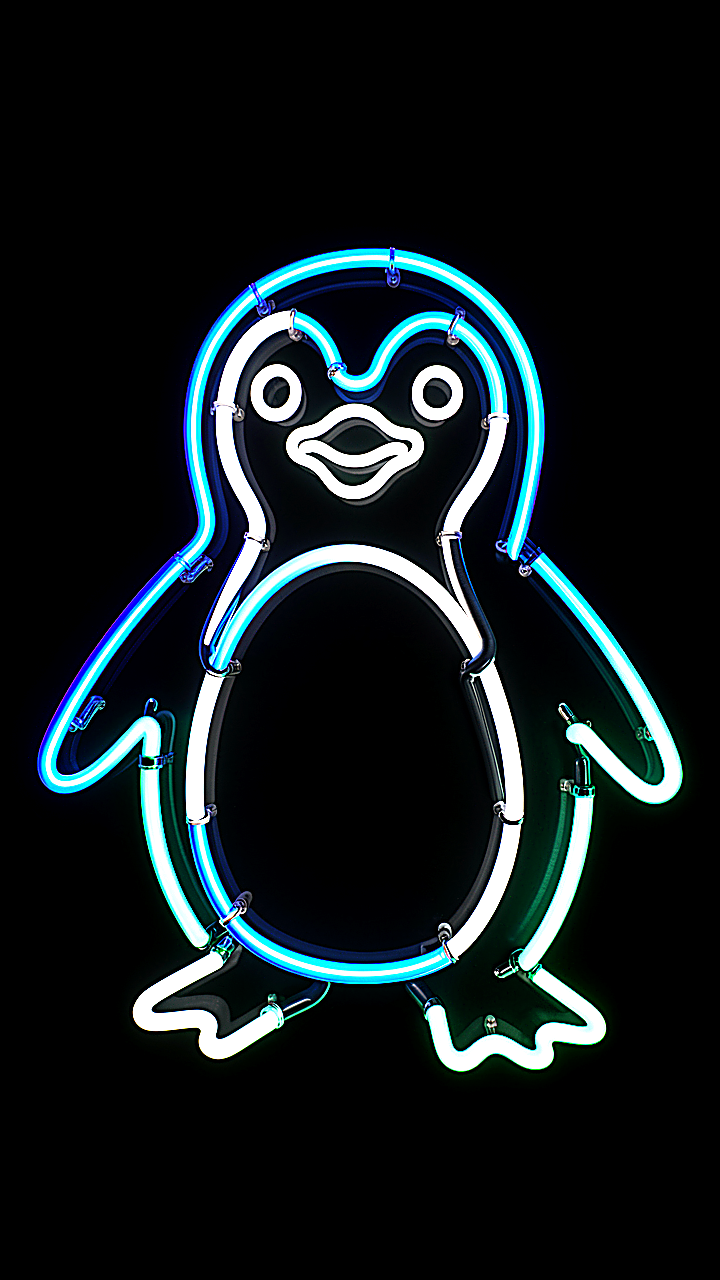
Tux • Linux • Open Source
Linus Torvalds got bitten by a penguin at an Australian zoo. So naturally, he made one the mascot of the operating system that now runs 96% of the world's servers, every Android phone, and most of the cloud. Tux — short for (T)orvalds (U)ni(X) — became the symbol of open-source resilience.
When Tux represents the PaX kernel security patch, it wears a helmet, wields an axe and shield, and glows with red eyes. That's the Linux we build on: battle-hardened infrastructure that powers everything from our threat intelligence pipelines to the containers running GRCxAI. The penguin proved that open beats proprietary.
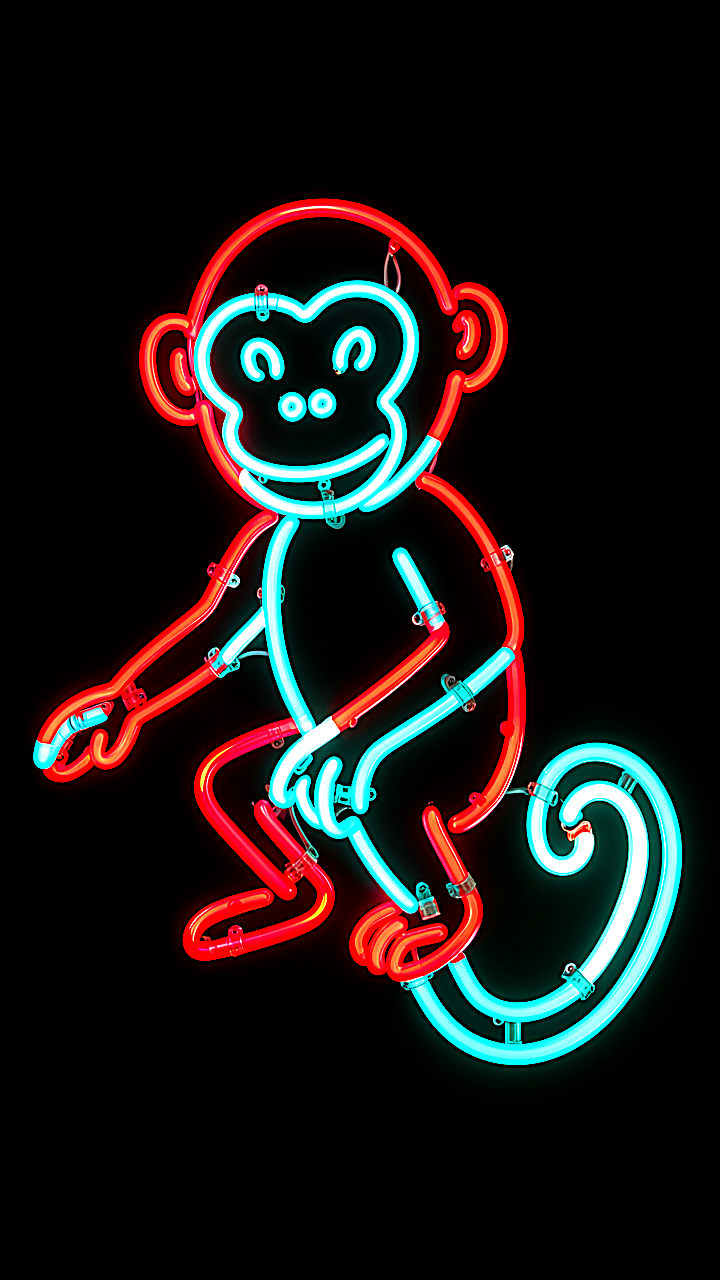
Netflix Simian Army • Chaos Engineering
Netflix built Chaos Monkey to randomly kill production servers. On purpose. The idea was radical: if your system can't survive a monkey randomly pulling cables, it's not ready for the real world. They expanded it into a full Simian Army — Chaos Gorilla (kills entire availability zones), Security Monkey (scans for vulnerabilities), and Doctor Monkey (removes unhealthy instances).
This philosophy is baked into how we think about security. Real resilience isn't built by assuming things won't break — it's built by breaking things deliberately and learning from the wreckage. Our self-improvement engines, assumption graveyards, and meta-improver loops are all descendants of Netflix's mischievous monkey.
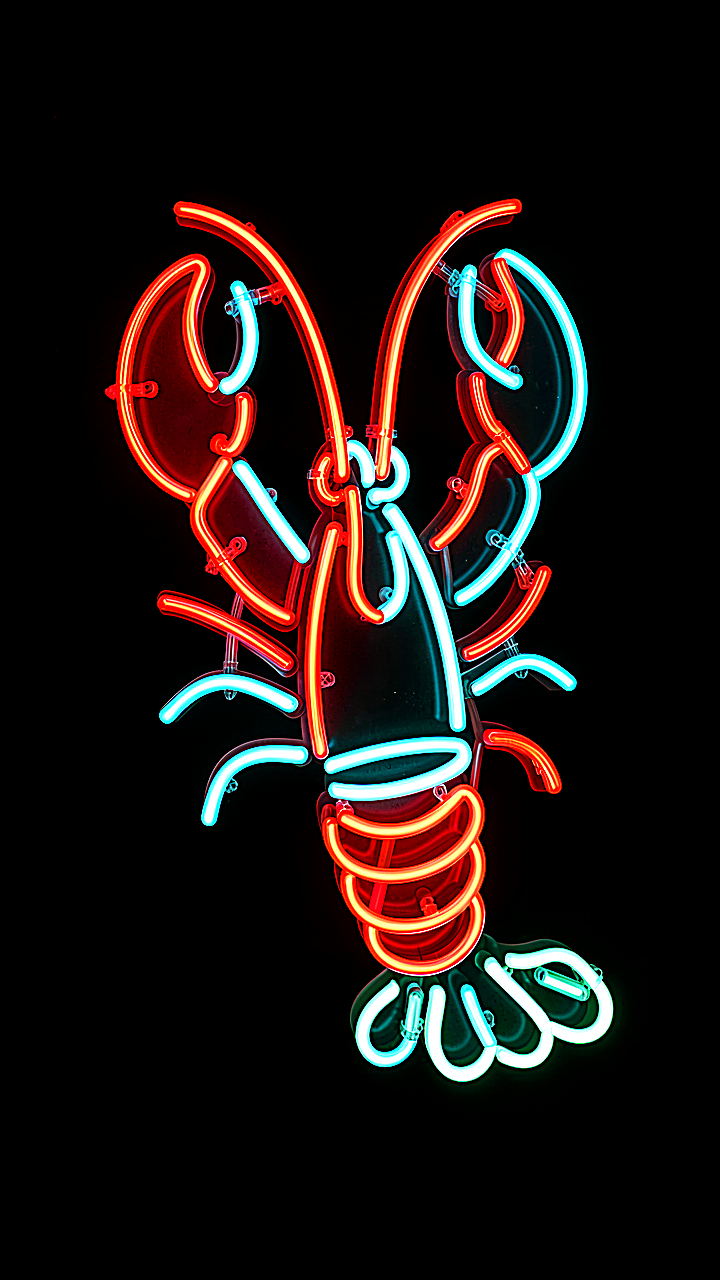
OpenClaw • Autonomous AI Agents
In late 2025, an open-source AI agent called OpenClaw went viral. Chinese internet users started calling the process of deploying it "raising lobsters" — a nod to its red claw logo. Within weeks, millions had autonomous AI agents running errands, sending emails, and making purchases on their behalf.
Then things went sideways. Nearly 23,000 users had their data exposed. Agents deleted emails indiscriminately. Some made unauthorised credit card purchases. The lobster became a cautionary tale: autonomy without governance is a liability. It's exactly why GRCxAI exists — AI is powerful, but it needs guardrails, audit trails, and accountability. The lobster taught us that the hard way.
Two creatures we didn't borrow — we built them.
Corvus • Security Intelligence Platform
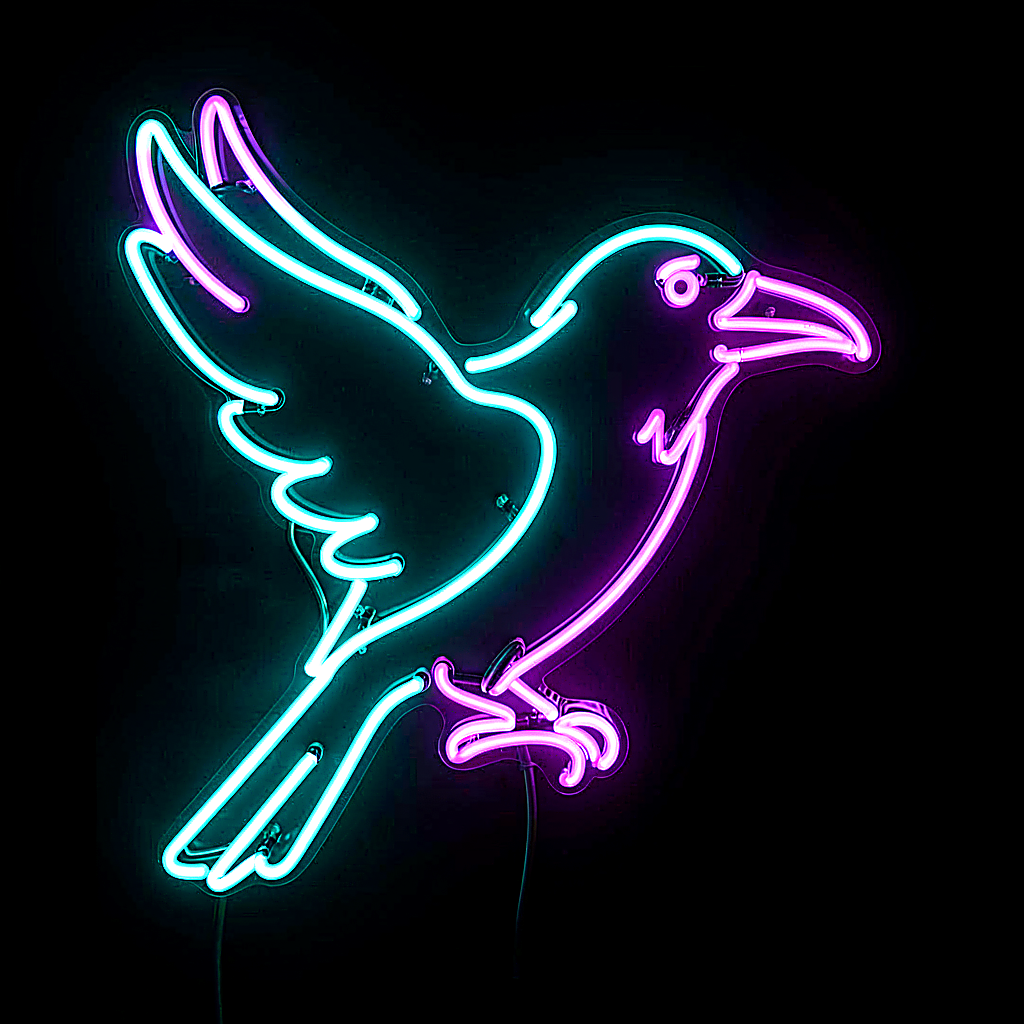
We needed a name for a platform that watches, analyses, and adapts. Corvids — crows, ravens, magpies — are among the most intelligent creatures on the planet. Their brains contain 1.5 billion neurons, rivalling primates despite being a fraction of the size. They use tools. They plan ahead. They recognise faces and remember threats for years.
That's what Corvus does. Daily threat intelligence briefings. 207-country risk monitoring. Geopolitical analysis across five horizons. Competing hypothesis testing. Self-improving analytical frameworks that get sharper with every cycle. The crow doesn't just react to danger — it anticipates it. So does Corvus.
Claude • The Intelligence Behind the Intelligence
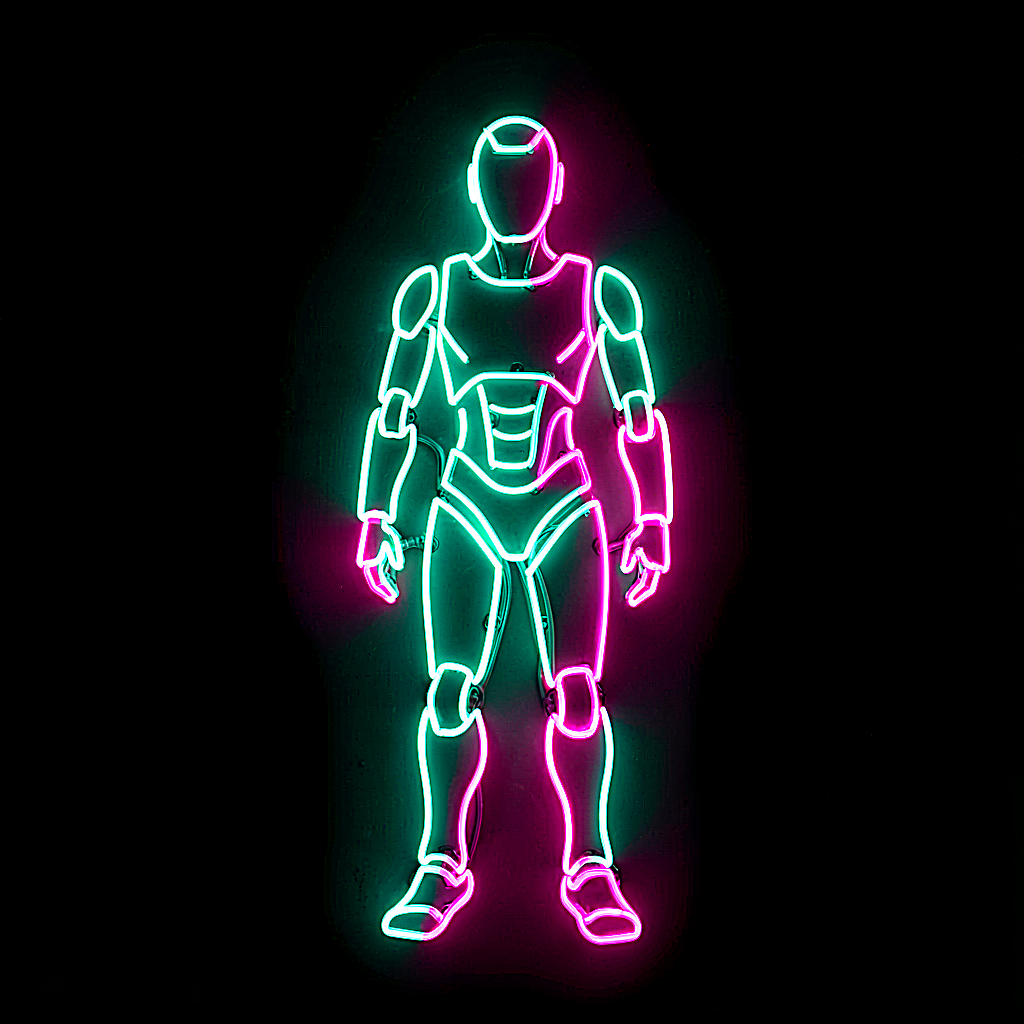
Every creature in the zoo has instincts. Ours has Claude. The AI that powers our analytical frameworks, generates compliance documents, runs structured intelligence techniques, and holds conversations about 26 ISO standards without breaking a sweat.
But here's the difference: our AI isn't a black box. Every analysis is traceable. Every recommendation cites its sources. Every decision can be audited. The robot in our zoo isn't autonomous — it's accountable. That's not a limitation. That's the whole point.
Every creature represents a lesson. Together, they're a philosophy.
The llama proved that open models beat walled gardens. We build on open standards and transparent methodologies.
The penguin showed that battle-tested foundations outlast flashy alternatives. We build on proven infrastructure.
The monkey taught us that resilience comes from stress-testing, not wishful thinking.
The lobster warned us that AI without guardrails causes damage. Every action must be auditable.
The crow sees what others miss. Real security means anticipating threats, not just displaying them.
The robot works tirelessly — but every analysis is traceable, every recommendation cites its sources.
Every new technology brings new creatures. Every new challenge demands new intelligence. We're not building a static product — we're cultivating a living ecosystem of AI-powered tools that evolve, adapt, and improve.
The llama gave us language. The penguin gave us infrastructure. The monkey gave us resilience. The lobster gave us caution. And the crow gave us intelligence.
Welcome to the Digital Zoo.